
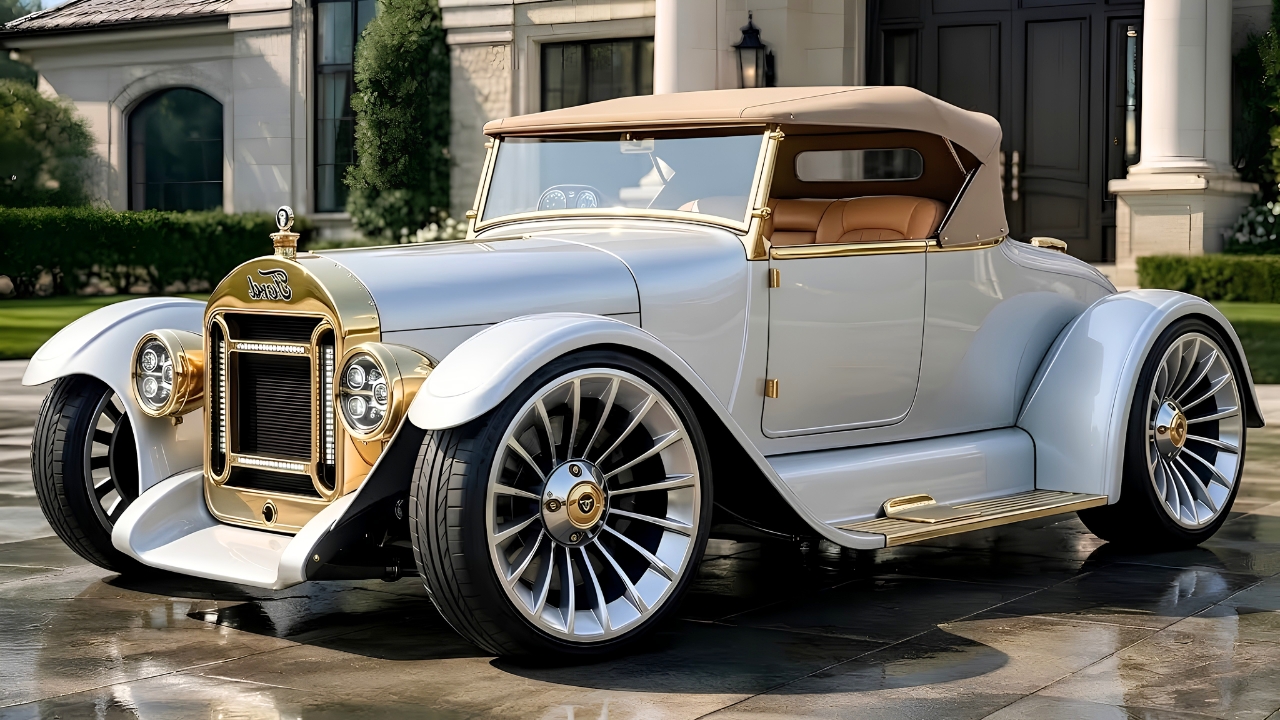
Ford Model T Explained: The Ford Model T is one of the most important inventions in the history of transportation. It was not just a car, but a revolution that changed how people lived, traveled, and worked. Before its arrival, automobiles were expensive luxury items only the rich could afford. The Model T made cars affordable for ordinary people and opened a new era of personal transportation. Introduced by Henry Ford in 1908, it quickly became the most popular car in the world and remained in production for nearly two decades.
The impact of the Model T was not limited to the automobile industry. It also transformed manufacturing, created new jobs, and shaped modern industrial production methods. Even today, it is remembered as the car that put the world on wheels.
The Birth of the Ford Model T
The idea behind the Model T was simple but powerful: create a reliable, affordable, and easy-to-maintain car for the average person. Henry Ford believed that transportation should not be a privilege reserved for the wealthy. Instead, it should be accessible to everyone.
When the Model T was launched in 1908, it cost around 850 dollars. While this may not seem cheap today, it was far more affordable than other cars of that time. Over the years, thanks to improved production techniques, the price dropped significantly, making it possible for millions of people to buy one.
The car was designed by a team led by engineer Childe Harold Wills and Hungarian engineers Joseph A. Galamb and Eugene Farkas. It was built to handle rough roads, especially in rural America, where paved roads were rare.
Design and Features of the Model T
The Ford Model T had a simple but practical design. It was powered by a 2.9-liter four-cylinder engine that produced about 20 horsepower. While this may sound modest today, it was enough to reach speeds of up to 40–45 miles per hour.
One of its key strengths was durability. The car was built with a strong steel frame and high ground clearance, which allowed it to travel on muddy and uneven roads. It used a planetary transmission system, which was easier to operate compared to other cars of the time.

The Model T was available in different body styles, including touring cars, roadsters, and even small trucks. However, one of its most famous features was its simplicity. Henry Ford once famously said that customers could have the Model T in any color they wanted, as long as it was black. This was mainly because black paint dried faster, helping speed up production.
The Assembly Line Revolution
One of the biggest reasons for the success of the Model T was the introduction of the moving assembly line in 1913. Before this innovation, cars were built by hand, which was slow and expensive. The assembly line changed everything.
With this system, each worker was responsible for a small part of the production process. As the car moved along the line, each worker added their component. This dramatically increased efficiency and reduced production time from more than 12 hours to just about 90 minutes per car.
This innovation not only made the Model T cheaper but also changed manufacturing industries worldwide. It became the foundation of modern mass production systems used in factories today.
Why the Model T Was So Popular
The Model T became popular for several reasons. First, it was affordable compared to other vehicles. Second, it was easy to repair and maintain. Parts were simple and widely available, which meant owners could fix many issues themselves.
Another reason was its versatility. The car could handle rough rural roads, making it ideal for farmers and small-town residents. It also proved to be reliable in different weather conditions, which increased its appeal.
In addition, Ford’s marketing strategy played a major role. The company focused on producing a car for the common man rather than targeting luxury buyers. This approach created a strong emotional connection with customers.

The Impact on Society
The Ford Model T had a huge impact on society. It changed how people lived by making travel faster and more convenient. Families could now travel long distances, visit new places, and connect with others more easily.
It also changed the structure of cities and towns. As more people bought cars, roads and highways began to develop. Suburban living became more common because people could live farther away from their workplaces.
The automobile industry also created millions of jobs. Not only in manufacturing, but also in related industries such as oil, rubber, and road construction. The Model T played a key role in shaping the modern economy.
Challenges and Decline
Despite its success, the Model T eventually became outdated. By the 1920s, other car manufacturers began offering more stylish, comfortable, and advanced vehicles. Consumers wanted more options, colors, and features.
Henry Ford was initially resistant to change, continuing to produce the Model T for many years without major updates. However, demand eventually declined, and production officially ended in 1927. It was replaced by the Ford Model A, which offered improved design and performance.
Legacy of the Ford Model T
Even though production stopped nearly a century ago, the Ford Model T remains one of the most influential cars ever built. It is often called the car that “put America on wheels” and is credited with shaping the modern automotive industry.
Its biggest legacy is not just the car itself, but the manufacturing system it introduced. The assembly line became a global standard, influencing industries far beyond automobiles.

Today, the Model T is celebrated in museums and classic car shows around the world. It stands as a symbol of innovation, progress, and the power of simple ideas.
Key Highlights
The Ford Model T was introduced in 1908 by Henry Ford
It made automobiles affordable for the average person
It used a 2.9-liter engine with about 20 horsepower
The moving assembly line made mass production possible
It helped shape modern transportation and industry
Production ended in 1927 after nearly 20 years
Final Words
The Ford Model T was more than just a vehicle; it was a turning point in human history. It changed how people moved, how goods were produced, and how industries operated. Its simplicity, affordability, and innovation made it one of the most successful cars of all time. Even today, its influence can be seen in every car that rolls off a modern production line. The Model T truly deserves its place as a legendary invention that changed the world forever.