
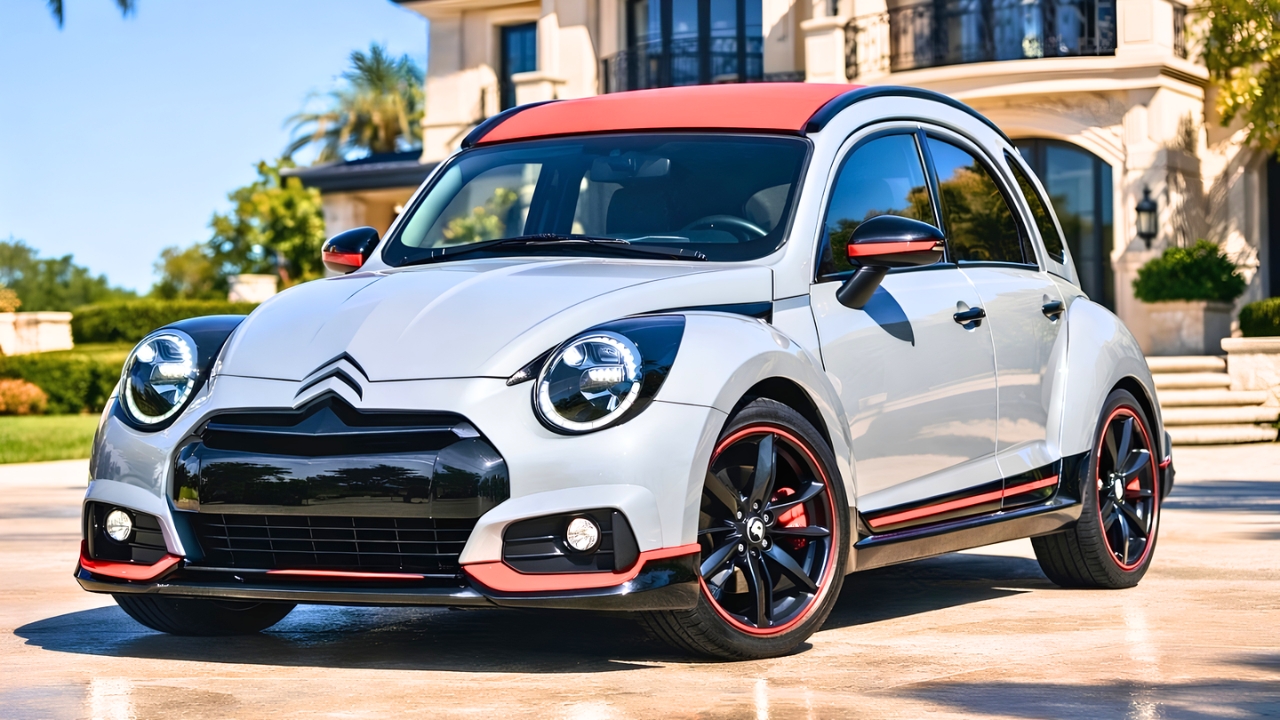
Citroën 2CV Retro Automobile The Citroën 2CV is one of the most recognizable and beloved automobiles ever created in Europe. Famous for its unusual appearance, lightweight construction, and practical engineering, the car became much more than just a simple mode of transportation. Over the years, it earned a reputation as a cultural icon that represented freedom, simplicity, and affordable mobility.
Produced by Citroën, the 2CV was originally designed to meet the needs of ordinary people in rural France. At a time when many families could not afford expensive vehicles, Citroën introduced a practical and economical car that was easy to drive, inexpensive to maintain, and capable of handling rough countryside roads.
What started as a small utility vehicle eventually became one of the most celebrated retro automobiles in automotive history. The Citroën 2CV developed a loyal following across generations because of its charming personality and timeless character. Even today, it continues to attract collectors, classic car enthusiasts, and travelers who appreciate its simplicity and unique style.
The Origins of the Citroën 2CV
The story of the Citroën 2CV began during the 1930s when Citroën wanted to create a vehicle that could serve everyday working-class families. The goal was to build an affordable car capable of carrying people and farm goods comfortably across rough roads while remaining economical and easy to repair.
Engineers focused on practicality rather than luxury. The company wanted a lightweight car that consumed very little fuel and could be maintained without expensive mechanical knowledge. According to the original concept, the vehicle even needed to carry baskets of eggs across uneven roads without breaking them.
The first official version of the 2CV was introduced after World War II in 1948. At first, many people were surprised by its unusual appearance, simple interior, and compact design. However, as drivers experienced its practicality and reliability, the car quickly became popular throughout France and later across Europe.
The 2CV eventually transformed from a basic economy car into a cultural symbol admired for its originality and practicality.
A Design Unlike Any Other
One of the biggest reasons behind the Citroën 2CV’s lasting popularity is its distinctive design. Unlike traditional automobiles with sharp lines and aggressive styling, the 2CV featured rounded body panels, curved fenders, and a soft, friendly appearance.
The car’s design focused entirely on function. Its lightweight body helped improve fuel efficiency, while the tall roof provided generous headroom for passengers. Large windows created excellent visibility and gave the cabin a bright and airy feeling.
The foldable canvas roof became one of the car’s most recognizable features. Drivers could roll back the roof to enjoy open-air driving, adding a sense of freedom and adventure to everyday journeys.

Inside the cabin, the simplicity continued. The dashboard contained only essential controls, and the seats were designed for comfort rather than luxury. Everything inside the car reflected Citroën’s philosophy of practical and affordable transportation.
Although some people initially viewed the 2CV as unusual or unconventional, its unique appearance eventually became part of its charm. Today, the design is considered timeless and instantly recognizable around the world.
Lightweight Engineering and Fuel Efficiency
The Citroën 2CV became famous for its lightweight engineering and exceptional fuel economy. During an era when many vehicles consumed large amounts of fuel, the 2CV offered an affordable solution for drivers looking to save money on transportation.
m\approx600\text{ kg}
Its compact engine delivered modest power, but the lightweight construction allowed the car to perform efficiently in both urban and rural environments. The simple mechanical setup made maintenance easier and more affordable compared to larger vehicles.
The suspension system was another impressive feature of the 2CV. Citroën engineers designed a soft suspension capable of handling rough roads comfortably. The car could travel smoothly over uneven surfaces, making it ideal for countryside driving and agricultural regions.
Drivers often praised the vehicle for its comfortable ride quality despite its small size. The suspension allowed the car to lean noticeably during turns, creating a driving experience that felt completely different from most other automobiles of the era.
Everyday Practicality
The success of the Citroën 2CV was closely connected to its practicality. Families, farmers, students, and workers appreciated the car because it was affordable, dependable, and easy to live with.
The spacious cabin offered surprising room for passengers and luggage despite the car’s compact dimensions. The rear seats could even be removed to create additional cargo space, making the vehicle useful for transporting goods and equipment.
Because of its simple construction, repairs could often be completed without specialized tools. This made the 2CV especially popular in rural communities where access to advanced repair facilities was limited.

The car’s low fuel consumption also helped owners reduce transportation costs during periods of economic uncertainty. Many people viewed the 2CV not as a luxury item but as an essential part of daily life.
Its combination of practicality and affordability helped the car become one of the most successful economy vehicles in European automotive history.
Popularity Around the World
Although the Citroën 2CV was developed in France, its popularity quickly spread to many countries around the world. Drivers appreciated the car’s simplicity, reliability, and cheerful personality.
In cities, the 2CV became popular for its compact size and easy maneuverability. In rural areas, it proved capable of handling rough roads and difficult driving conditions with surprising confidence.
The vehicle also became associated with artistic lifestyles, travel culture, and youthful freedom. Many travelers used the 2CV for long road trips across Europe because of its low operating costs and mechanical simplicity.
Over time, the car developed a strong emotional connection with owners. People often described the 2CV as more than just a vehicle because of its playful driving character and friendly appearance.
Its presence in films, advertisements, and cultural events further strengthened its status as a retro automotive icon.
Collector Interest and Modern Appreciation
Today, the Citroën 2CV remains one of the most admired classic economy cars in the world. Collectors appreciate the vehicle for its historical importance, unique design, and charming personality.
Well-preserved and restored examples are highly sought after at vintage automobile events and classic car exhibitions. Enthusiasts enjoy maintaining and driving the 2CV because of its simple mechanical design and enjoyable driving experience.
Unlike some high-performance classic cars, the 2CV attracts people who appreciate authenticity, creativity, and practical engineering. It represents a different side of automotive history where simplicity and innovation mattered more than speed or luxury.

Classic car communities dedicated to the 2CV continue to thrive in Europe and beyond. Owners frequently organize road trips, gatherings, and restoration projects that celebrate the vehicle’s enduring legacy.
The Cultural Legacy of the Citroën 2CV
The Citroën 2CV became much more than a small economy car. It evolved into a cultural symbol representing freedom, individuality, and practical living.
Its success proved that a car did not need extreme power or luxury to become iconic. Instead, the 2CV succeeded because it connected emotionally with ordinary people and offered transportation that was accessible and enjoyable.
The vehicle also demonstrated Citroën’s willingness to challenge traditional automotive design. Its unconventional appearance and innovative engineering made it one of the boldest and most memorable cars of the twentieth century.
Even decades after production ended, the 2CV continues to inspire admiration among designers, collectors, and automotive enthusiasts who value originality and character.
Key Highlights
- Introduced by Citroën as an affordable economy car for everyday use
- Famous for its distinctive retro design and rounded body styling
- Lightweight construction delivered excellent fuel efficiency
- Featured soft suspension for comfortable driving on rough roads
- Simple mechanical design made maintenance easy and affordable
- Became highly popular across Europe and international markets
- Developed a strong cultural following among travelers and enthusiasts
- Remains one of the most recognizable classic French automobiles today
Final Words
The Citroën 2CV remains a true icon of automotive history because of its originality, practicality, and timeless charm. What began as a simple economy vehicle eventually became one of the most beloved retro cars ever produced.Its unique design, lightweight engineering, and affordable nature allowed millions of people to experience personal transportation in a new and accessible way. The car brought freedom and mobility to ordinary families while creating a driving experience full of personality and character.Even today, the Citroën 2CV continues to capture hearts around the world. Whether displayed at classic car events or driven through scenic countryside roads, this legendary French automobile stands as a lasting symbol of simplicity, creativity, and timeless automotive design.