
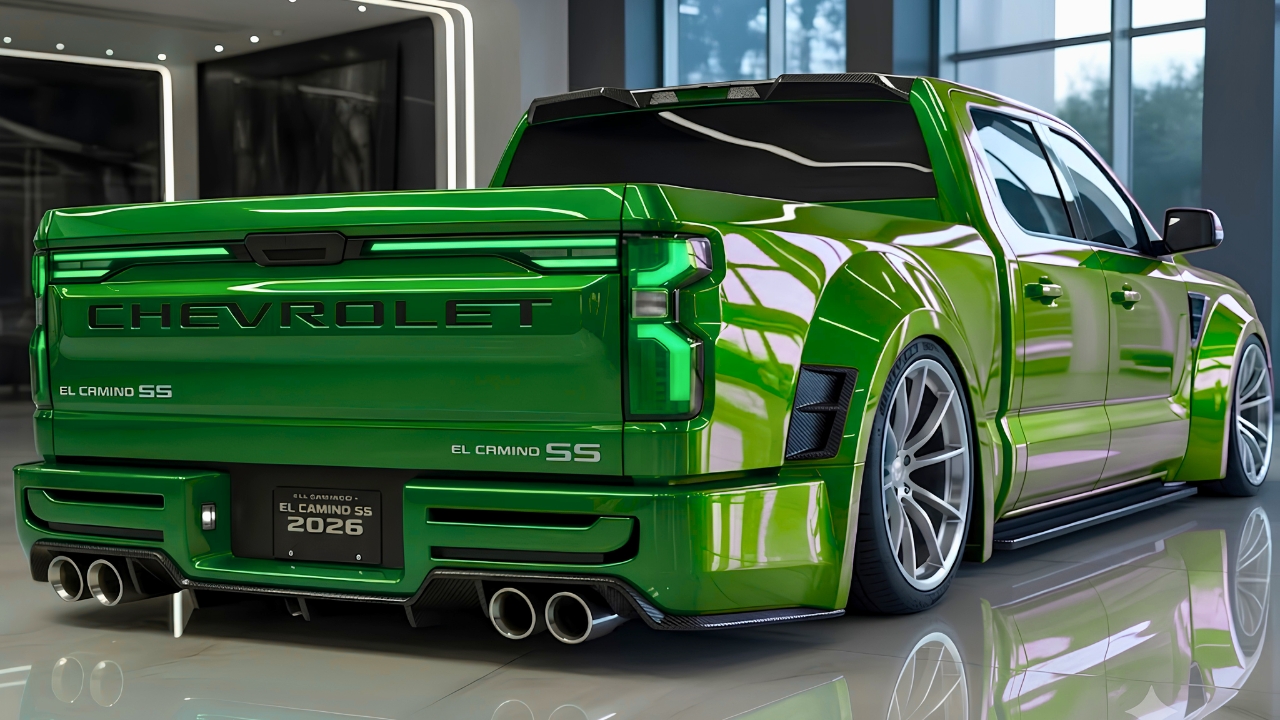
Chevrolet El Camino SS: The Chevrolet El Camino SS is one of the most iconic vehicles in American automotive history. Blending the practicality of a pickup truck with the performance and style of a muscle car, it carved out a unique niche that still fascinates enthusiasts today. This guide explores its design, performance, cultural impact, and why it remains a beloved classic.
Origins and History
The El Camino was first introduced in 1959 as Chevrolet’s answer to the Ford Ranchero. While the early models leaned more toward utility, the El Camino truly came into its own during the muscle car era of the late 1960s and 1970s.
- First generation (1959–1960): Based on the Chevrolet Brookwood station wagon.
- Second generation (1964–1967): Redesigned with a more car-like appearance.
- Third generation (1968–1972): Introduction of the SS performance package.
- Fourth generation (1973–1977): Larger body and more comfort features.
- Fifth generation (1978–1987): Downsized but still offered SS trims.
The SS (Super Sport) badge elevated the El Camino from a utility vehicle to a performance machine.
Design and Style
The El Camino SS combined sleek lines with muscular proportions.

- Aggressive front fascia with dual headlights.
- Distinctive bed design blending seamlessly with the cabin.
- SS badging on grille and fenders.
- Sporty interiors with bucket seats and console shifters.
Its design made it stand out as both a stylish cruiser and a capable hauler.
Engine and Performance
The SS package brought serious muscle to the El Camino.
- Small-block V8 options for balanced performance.
- Big-block V8 engines delivering up to 450 horsepower.
- Turbo-Hydramatic transmission.
- Performance suspension for improved handling.
This blend of power and utility made the El Camino SS a unique proposition in the muscle car era.
Dimensions and Utility
Despite its sporty nature, the El Camino SS retained practical features.

- Bed length: 6 feet.
- Payload capacity: around 1,200 lbs.
- Seating for two passengers.
- Compact size compared to full-size pickups, making it easier to maneuver.
It was the perfect compromise between a car and a truck.
Cultural Impact
The El Camino SS became a symbol of American car culture.
- Featured in movies and TV shows.
- Popular among muscle car enthusiasts.
- A favorite in custom car communities.
- Still celebrated at classic car shows.
Its dual identity made it a cultural icon that continues to inspire.
Market Value Today
Classic El Camino SS models are highly sought after.

- Average price range: $25,000–$70,000 depending on condition.
- Rare big-block SS models can exceed $100,000.
- Restored and customized versions often command premium prices.
Collectors value its rarity and unique appeal.
Comparison with Rivals
| Model | Engine Options | Years Produced | Unique Feature |
|---|---|---|---|
| Chevrolet El Camino SS | V8 small-block & big-block | 1968–1987 | Muscle car + pickup |
| Ford Ranchero | Inline-6 & V8 | 1957–1979 | Ford’s utility coupe |
| Dodge Rampage | 4-cylinder | 1982–1984 | Compact front-wheel-drive pickup |
| Subaru BRAT | 4-cylinder | 1978–1994 | Quirky AWD utility vehicle |
The El Camino SS stood out for its raw muscle power compared to rivals.
Key Highlights
- Unique blend of muscle car and pickup truck.
- SS package offered powerful V8 engines.
- Iconic design with aggressive styling.
- Strong cultural impact in American car history.
- Highly collectible with rising market value.
Final Words
The Chevrolet El Camino SS remains one of the most fascinating vehicles ever produced. Its ability to merge performance with practicality created a category of its own. Today, it stands as a symbol of innovation, style, and American muscle. For enthusiasts and collectors, owning an El Camino SS is not just about driving a classic—it’s about preserving a piece of automotive history.