
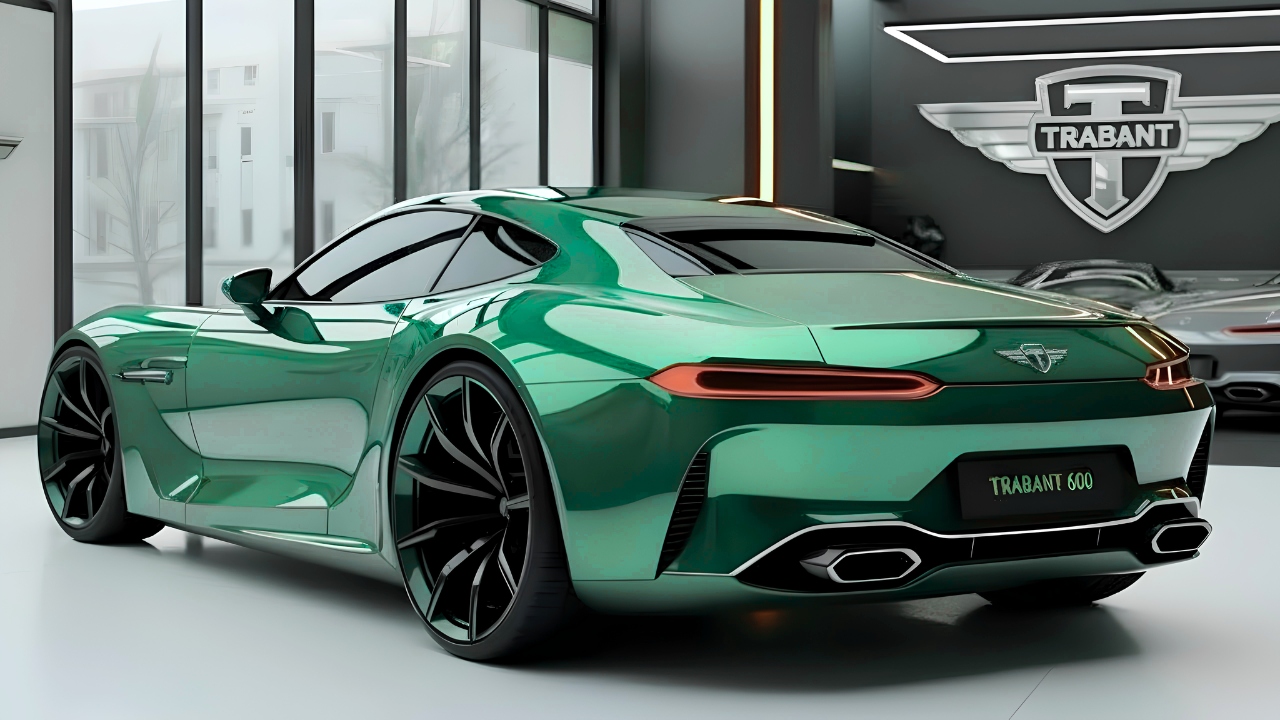
Trabant 600 2026: The idea of reviving classic cars with a modern twist has become a growing trend in the global automotive industry. One of the most talked-about imagined comebacks is the Trabant 600 2026, a reimagined version of the iconic compact car that once symbolized simplicity and accessibility in Europe. The new concept blends nostalgia with innovation, aiming to attract both retro car lovers and modern urban drivers who seek practicality, efficiency, and style in one package.
The original Trabant was known for its minimalistic engineering and distinctive personality. The 2026 revival takes that legacy and reshapes it into something suitable for today’s fast-changing automotive world, where sustainability, connectivity, and compact mobility are essential.
Legacy of the Original Trabant
The classic Trabant earned its reputation as a durable and affordable vehicle during a time when simplicity mattered more than luxury. It was designed for basic transportation needs, focusing on functionality rather than performance or comfort. Despite its modest design, it became a cultural icon, representing an era of automotive history that valued practicality.
The Trabant 600 2026 draws inspiration from this legacy but reinterprets it for a modern audience. Instead of a purely utilitarian machine, it evolves into a smart city car equipped with advanced features while still preserving its recognizable compact identity.
Exterior Design and Modern Styling
The exterior design of the Trabant 600 2026 is a careful balance between retro charm and futuristic aesthetics. The compact silhouette remains true to the original concept, but the lines are now smoother and more aerodynamic. LED lighting replaces traditional halogen lamps, giving the car a sharp and modern expression.
The front fascia is redesigned with a minimalist grille that improves airflow efficiency. The body structure uses lightweight materials such as reinforced aluminum and eco-friendly composites, making the vehicle more efficient and environmentally conscious. Despite its small size, the car has a bold presence that stands out in urban environments.
Color options are expected to include both classic shades inspired by the original model and modern metallic finishes designed for younger buyers. The overall design philosophy focuses on simplicity, functionality, and emotional connection.
Interior Comfort and Technology
Inside the Trabant 600 2026, the transformation from basic to modern becomes even more evident. The cabin is designed with a clean, minimal layout that prioritizes usability and comfort. Soft-touch materials replace the hard plastics of older compact cars, while sustainable fabrics are used for seating and interior trims.

A digital instrument cluster replaces traditional analog gauges, providing real-time driving data, navigation, and connectivity options. A central infotainment touchscreen allows access to entertainment, smartphone integration, and vehicle settings. Voice control and AI-assisted features enhance convenience while reducing driver distraction.
Despite its compact size, the interior is designed to maximize space efficiency. Clever storage solutions and adjustable seating ensure that both driver and passengers experience comfort during short city commutes or longer drives.
Performance and Engine Options
The Trabant 600 2026 is expected to focus heavily on efficiency rather than high-speed performance. In line with modern automotive trends, it may be offered in both electric and hybrid variants.
The electric version would likely feature a small but efficient battery pack designed for urban commuting, offering a practical driving range suitable for daily use. Fast-charging capabilities would make it convenient for city dwellers with limited time.
The hybrid variant could combine a small combustion engine with an electric motor, providing flexibility for drivers who still rely on longer-distance travel. The focus remains on smooth acceleration, low emissions, and cost-effective operation.
Handling is expected to be light and responsive, making the car ideal for narrow city streets and crowded traffic conditions.
Smart Features and Connectivity
Modern drivers expect more than just transportation, and the Trabant 600 2026 aims to meet those expectations with advanced smart features. The vehicle is designed to integrate seamlessly with smartphones and digital ecosystems.
Features such as real-time traffic updates, GPS navigation with predictive routing, and remote vehicle monitoring are expected to be part of the package. Over-the-air software updates could ensure that the car remains up to date with the latest improvements.

Driver assistance systems such as lane-keeping assist, parking sensors, and emergency braking would enhance safety. These technologies make the vehicle more accessible to new drivers while increasing overall road safety.
Sustainability and Environmental Focus
One of the strongest aspects of the Trabant 600 2026 concept is its emphasis on sustainability. The automotive industry is rapidly shifting toward greener solutions, and this revival aligns with that direction.
The use of recyclable materials in construction reduces environmental impact. Electric and hybrid powertrains significantly lower carbon emissions compared to traditional engines. Energy-efficient manufacturing processes further contribute to sustainability goals.
The car’s compact size also plays a role in reducing its environmental footprint. Smaller vehicles require fewer resources to build and consume less energy during operation, making them ideal for eco-conscious urban mobility.
Market Position and Target Audience
The Trabant 600 2026 is positioned as a city-friendly compact car aimed at young professionals, students, and urban commuters. Its affordability, efficiency, and retro-inspired design make it appealing to a wide audience.
It also targets enthusiasts who appreciate automotive history and enjoy vehicles with a unique identity. Unlike many modern cars that look similar, the Trabant revival stands out with its distinctive heritage-inspired design.
In competitive markets, it would likely rival other compact electric vehicles that focus on practicality and cost efficiency. Its unique selling point lies in its emotional connection to the past combined with modern innovation.
Driving Experience and Practicality
Driving the Trabant 600 2026 is expected to be smooth and intuitive. Its lightweight structure contributes to easy maneuverability, especially in congested urban environments. Parking becomes simpler due to its compact dimensions and advanced assistance systems.

The suspension system is likely tuned for comfort, absorbing minor road imperfections commonly found in city streets. Steering responsiveness enhances control, making it suitable for both beginners and experienced drivers.
Practicality remains one of its strongest advantages. Despite its small footprint, the car is designed to accommodate everyday needs such as grocery trips, commuting, and short-distance travel.
Key Highlights
The Trabant 600 2026 brings together retro inspiration and modern automotive innovation in a compact and efficient package. Its design emphasizes simplicity while incorporating advanced technology for today’s drivers. With potential electric and hybrid powertrains, it aligns with global sustainability trends. The interior focuses on comfort and smart connectivity, making it suitable for urban lifestyles. Safety features and driver assistance systems enhance its usability for a wide range of users. Overall, it represents a thoughtful blend of heritage and future mobility.
Final Words
The Trabant 600 2026 stands as a symbolic reimagining of a classic nameplate, reflecting how far automotive design has evolved while still honoring its roots. It captures the essence of simplicity that made the original model memorable, while adapting to the demands of modern transportation.If such a revival were to become reality, it could offer a refreshing alternative in the compact car segment, especially for those who value efficiency, personality, and sustainability. The concept proves that even the most humble automotive icons can be transformed into something relevant for the future without losing their original spirit.